Kedarkantha Trek 2026–27: Itinerary, Cost, Best Time & Difficulty
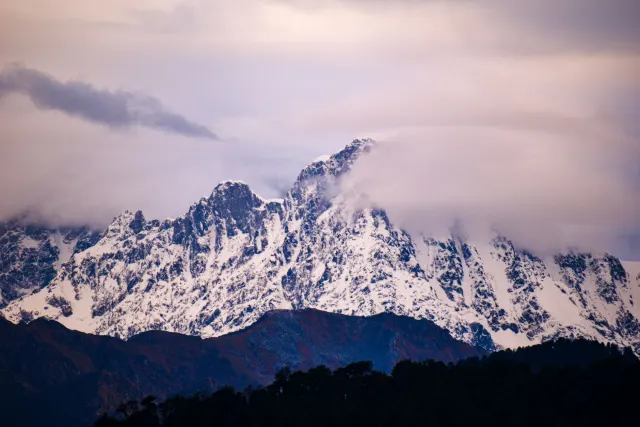
If there is one trek that defines winter in Uttarakhand, it is Kedarkantha. Snow-laden pine forests, a frozen lake, campsites under the stars and a summit at about 3,800 m with a 360-degree view of Swargarohini, Bandarpunch and the Har Ki Dun valley: all in under a week from Dehradun. This guide covers the route, a day-by-day itinerary, cost, best time, difficulty, packing and how to choose an operator.
Kedarkantha at a glance: Summit ~3,800 m · Base village Sankri (~1,920 m) · ~20 km over 4–5 trekking days · Easy–moderate · Best for snow: Dec–Apr · Typical package ₹8,000–15,000 · Inside Govind Wildlife Sanctuary, Uttarkashi district
Why Kedarkantha Is So Popular
- Snow almost guaranteed from late December to March, even when the hill stations are dry.
- Beginner-friendly: short daily walks and well-used campsites.
- Beautiful campsites in clearings among pine and oak forest.
- A real summit with a sunrise view over some of the best-known peaks in Garhwal.
How to Reach Sankri
Sankri is the base village, about 190–200 km from Dehradun. The drive takes 8–10 hours via Mussoorie, Naugaon, Purola and Mori. Most operators run a shared pick-up from Dehradun railway station early in the morning. From Delhi, take an overnight bus or train to Dehradun the night before.
After snowfall, the last stretch to Sankri can be slow and icy. Leave Dehradun early and avoid driving after dark.
Kedarkantha Trek Itinerary (6 Days)
| Day | Route | Distance / time | Camp altitude |
|---|---|---|---|
| 1 | Dehradun to Sankri by road | ~195 km, 8–10 hrs | ~1,920 m |
| 2 | Sankri to Juda Ka Talab | ~4 km, 3–4 hrs | ~2,775 m |
| 3 | Juda Ka Talab to Kedarkantha Base | ~4 km, 2–3 hrs | ~3,400 m |
| 4 | Summit (pre-dawn start), descend to Hargaon | ~6 km, 7–9 hrs | ~2,700 m |
| 5 | Hargaon to Sankri | ~5 km, 3–4 hrs | ~1,920 m |
| 6 | Sankri to Dehradun by road | ~195 km, 8–10 hrs | — |
Distances and campsites vary slightly between operators. Some skip Hargaon and return via Juda Ka Talab.
Day 2: Sankri to Juda Ka Talab
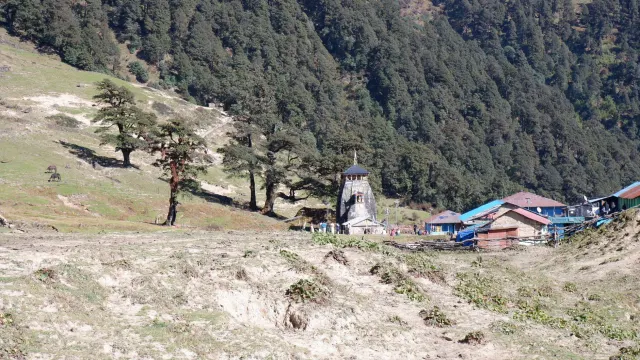
A steady climb through pine and oak forest to Juda Ka Talab, a small lake that is usually frozen from late December. This is the campsite most people remember: tents around a white, frozen lake with snow-dusted trees.
Day 3: To Kedarkantha Base
A short day through open slopes to the base camp, where the summit ridge comes into view. The short distance helps your body adjust to the altitude before summit day.
Day 4: Summit Day
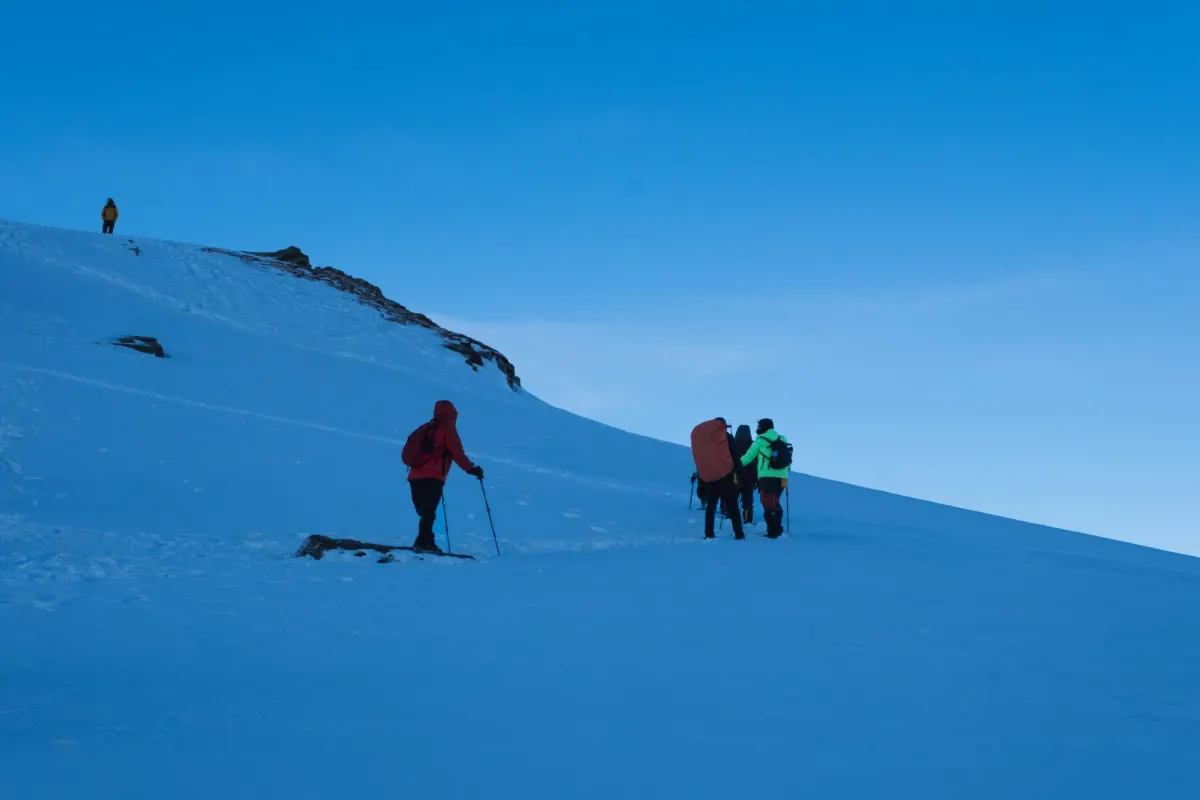
The climb starts around 3–4 am with headlamps, up a steep snow slope to reach the top around sunrise. From the summit you see Swargarohini, Bandarpunch, Kala Nag and the Har Ki Dun valley. It is the hardest day: steep, cold and long. Listen to your trek leader on the turnaround time.
Best Time for Kedarkantha
| Period | Conditions |
|---|---|
| October – November | No snow or light snow, very clear views, cold nights |
| December | Snow arrives, Christmas–New Year batches fill fast |
| January – February | Deepest snow, coldest nights (well below freezing at base camp) |
| March – April | Snow on the upper slopes, longer and warmer days |
| July – September | Monsoon, avoid |
For how the season unfolds across the state, see Uttarakhand in December and Uttarakhand in January.
Kedarkantha Trek Cost
| Item | Approximate cost |
|---|---|
| Organised trek, Sankri to Sankri (stay, meals, guide, permits) | ₹8,000 – ₹15,000 per person |
| Dehradun – Sankri transport (shared, each way) | ₹1,000 – ₹1,500 per seat |
| Gear rental (jacket, microspikes, poles), if needed | ₹500 – ₹2,000 for the trek |
| Delhi – Dehradun (bus or train, return) | ₹1,000 – ₹3,000 |
Prices change each season and between operators. Compare what is included (tents, sleeping bags, microspikes, forest fees, transport) rather than just the headline price.
Difficulty and Fitness
Kedarkantha is rated easy to moderate. You do not need trekking experience, but you should be able to walk 5–6 km uphill with a light pack. Start preparing 4–6 weeks before: brisk walks, stair climbing or jogging, aiming to run 5 km in about 35–40 minutes.
The main risks are cold and altitude. Drink plenty of water, keep warm, and tell your trek leader early if you feel a headache, nausea or unusual breathlessness.
Permits and Choosing an Operator
The trek runs through the Govind Wildlife Sanctuary, so forest permits and fees apply. Registered operators arrange these for you. Choose an operator that:
- Is registered with Uttarakhand Tourism or the forest department
- Uses trained trek leaders with first-aid qualifications
- Includes microspikes and gaiters in winter
- Has clear safety, turnaround and cancellation policies
- Carries out waste rather than leaving it at campsites
Going independently in winter is not recommended unless you are an experienced snow trekker.
What to Pack
- A 40–50 litre backpack with a rain cover, plus a small daypack for summit day
- Trekking shoes with good ankle support and grip
- Three warm layers: thermals, fleece and a down or padded jacket
- Waterproof gloves, a woollen cap, a balaclava and thick socks
- Sunglasses (UV protection), sunscreen and lip balm
- Headlamp, water bottles (at least 2 litres), personal medicines
- Microspikes and gaiters if your operator does not provide them
Other Treks from Sankri
Sankri is also the base for the Har Ki Dun trek, a longer valley walk to old wooden villages beneath Swargarohini. For a shorter weekend snow trek near Dehradun, see Nag Tibba. Prefer to stay in a village and do day treks in the snow? Read our Chopta in winter guide.
Frequently Asked Questions
How difficult is the Kedarkantha trek?
Easy to moderate. The daily distances are short, but the summit day starts before dawn and climbs steeply in snow. Anyone reasonably fit who prepares with a few weeks of walking or jogging can do it.
What is the best time for the Kedarkantha trek?
December to April for snow, with late December to February the snowiest. October and November also work, without snow but with very clear views. Avoid the monsoon, July to September.
How much does the Kedarkantha trek cost?
Most organised Sankri-to-Sankri packages fall roughly between ₹8,000 and ₹15,000 per person, depending on group size and inclusions, plus transport from Dehradun. Prices vary each season, so compare what is included before booking.
How long is the Kedarkantha trek?
About 20 km in total over 4–5 trekking days from Sankri, usually done as a 6-day trip from Dehradun.
How high is Kedarkantha peak?
The summit is about 3,800 m (roughly 12,500 ft).
Can beginners do Kedarkantha in winter?
Yes. It is one of the most popular first snow treks in India. Go with an experienced, registered operator, carry proper winter gear and prepare your fitness beforehand.
Plan Your Trek
See the Kedarkantha trek page for trail details, compare other snow trips in our Uttarakhand snowfall places guide, or browse weekend trips from Delhi if you only have two days. You can also let the AI Trip Planner plan your journey to Sankri.