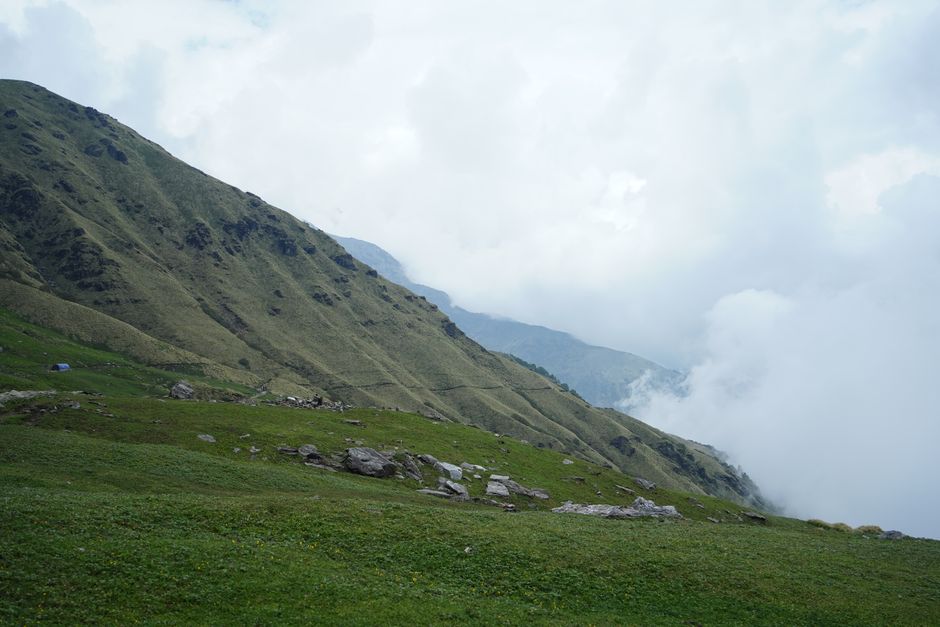
Valley of Flowers Trek 2026: Best Time, Itinerary, Cost & Complete Guide
The Valley of Flowers in Uttarakhand's Chamoli district is a UNESCO World Heritage Site and one of the most breathtaking treks in India. Every monsoon, this hidden Himalayan valley transforms into a carpet of over 600 species of alpine wildflowers — from the rare Blue Poppy and Brahmakamal to orchids, primulas, and marigolds.
This guide covers everything for your 2026 trek — the best time to visit, a detailed day-by-day itinerary, permits, cost breakdown, and tips to make your trip unforgettable.
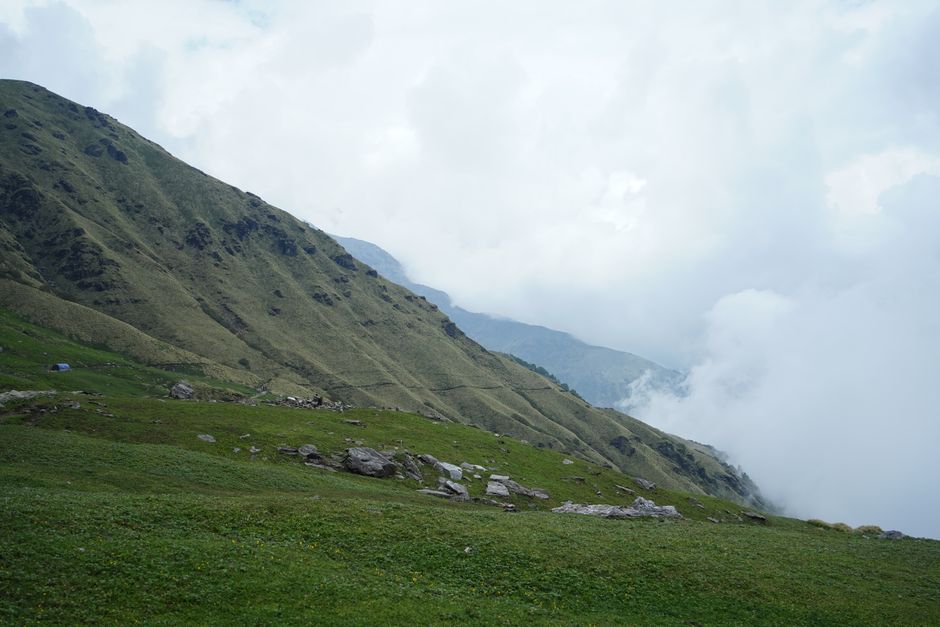
Valley of Flowers 2026: Opening & Closing Dates
- Park Opens: June 1, 2026
- Gate Opens: Expected July 3, 2026 (weather dependent)
- Park Closes: October 31, 2026
- Entry Fee: ₹150 (Indians) | ₹600 (Foreigners) — valid for 3 days
Best Time to Visit Valley of Flowers
The valley's character changes through the season:
| Month | What to Expect | Crowd Level |
|---|---|---|
| July | Early blooms begin. Heavy monsoon rain. Lush green. | Moderate |
| August ⭐ | Peak bloom — valley at its most colourful. Rain continues. | High |
| September ⭐ | Late blooms, clearer skies, fewer crowds. Best for photography. | Low-Medium |
| October | Flowers fading, autumn colours. Cold nights. | Low |
Our recommendation: Late August to mid-September — you get vibrant flowers, better weather, and manageable crowds.
Valley of Flowers Trek Itinerary (5 Days)
Day 1: Haridwar/Rishikesh → Govindghat (275 km, 10 hours)
Drive from Rishikesh through Devprayag, Rudraprayag, Karnaprayag, and Chamoli to reach Govindghat (1,800m). The scenic route follows the Alaknanda river through beautiful gorges. Stay overnight.
Tip: Start by 5 AM from Rishikesh to reach Govindghat before dark.
Day 2: Govindghat → Ghangaria (10 km trek)
Take a shared vehicle from Govindghat to Pulna (4 km). From Pulna, the 10 km trek to Ghangaria (3,049m) follows the Lakshman Ganga river through forests and waterfalls. Expect 5-6 hours of walking.
Ghangaria is the base camp with guesthouses (₹500-2,000/night), restaurants, and a GMVN guest house.
Day 3: Ghangaria → Valley of Flowers → Ghangaria (7 km each way)
The main event! Walk 3.5 km from Ghangaria into the valley. The trail crosses streams and opens into vast meadows of flowers stretching to the horizon, backed by snow-capped peaks and waterfalls.
Spend 4-5 hours exploring and photographing. The valley is 10 km long and 2 km wide. Return to Ghangaria by evening.
Day 4: Ghangaria → Hemkund Sahib → Ghangaria (6 km each way)
Optional but highly recommended! Trek 6 km (steep!) to Hemkund Sahib — a sacred Sikh Gurudwara at 4,329 metres, sitting beside a crystal-clear glacial lake surrounded by seven snow peaks. It's one of the highest gurudwaras in the world.
This is the hardest day — 1,280m elevation gain. Start by 6 AM.
Day 5: Ghangaria → Govindghat → Return
Trek down 10 km to Pulna/Govindghat (3-4 hours downhill). Drive back to Rishikesh or continue to your next destination.
Flowers You'll See in the Valley
The valley is home to a staggering variety of Himalayan flora:
- 🌸 Brahmakamal — Sacred lotus, state flower of Uttarakhand
- 💙 Blue Poppy (Meconopsis aculeata) — Iconic rare Himalayan flower
- 🌺 Cobra Lily — Distinctive hooded carnivorous plant
- 🌼 Himalayan Marigold, Geranium, Potentilla — Golden carpets
- 🌷 Orchids, Primulas, Daisies, Anemones — Scattered across meadows
- 💜 Aconite, Balsam, Saxifrage, Edelweiss — Found along streams
The park is also home to rare fauna — snow leopards, Himalayan black bear, musk deer, and over 114 bird species.
Difficulty Level & Fitness
| Section | Distance | Difficulty |
|---|---|---|
| Pulna → Ghangaria | 10 km | Easy-Moderate |
| Ghangaria → Valley of Flowers | 3.5 km | Easy |
| Ghangaria → Hemkund Sahib | 6 km | Moderate-Hard (steep) |
No prior trekking experience needed for the Valley of Flowers. Basic fitness (ability to walk 10 km) is sufficient. Hemkund Sahib requires better stamina due to the steep climb.
Valley of Flowers Trek Cost (Per Person)
| Expense | Budget | Comfortable |
|---|---|---|
| Rishikesh → Govindghat (shared taxi) | ₹800 | ₹2,000 |
| Accommodation (4 nights) | ₹2,000 | ₹6,000 |
| Food (5 days) | ₹2,000 | ₹4,000 |
| Valley entry fee | ₹150 | ₹150 |
| Porter/Mule (optional) | — | ₹2,000 |
| Miscellaneous | ₹500 | ₹1,000 |
| Total | ₹5,450 | ₹15,150 |
What to Pack
- Waterproof trekking shoes — Non-negotiable. Trails are wet and slippery.
- Rain jacket + waterproof backpack cover
- Warm layers: Fleece + light down jacket (Ghangaria nights are cold)
- Camera with extra batteries — Cold drains batteries fast
- Sunscreen SPF 50+ and UV sunglasses
- First aid: Diamox, painkillers, ORS, band-aids
- Cash ₹5,000+ — No ATMs in Ghangaria. UPI unreliable.
- Reusable water bottle and energy snacks
- Plastic bags for keeping electronics dry
Important Rules & Tips
- Do NOT pluck flowers — Illegal, heavy fine. This is a national park.
- Carry no single-use plastic — Strictly enforced.
- Start early (6-7 AM) — Afternoon rain is common in monsoon.
- Stay on marked trails — Marshy areas can be dangerous.
- Register at the forest office in Ghangaria before entering the valley.
- Helicopter option: Govindghat → Ghangaria helicopter costs ₹3,000-4,500.
- Carry a plastic poncho even on clear mornings.
How to Reach Govindghat
- By Air: Jolly Grant Airport, Dehradun → Taxi (295 km, 10 hours)
- By Train: Rishikesh → Bus/Taxi (275 km)
- By Bus: GMOU buses from Rishikesh to Joshimath. Shared taxis from Joshimath to Govindghat (25 km).
Nearby Treks & Attractions
Combine your Valley of Flowers trip with these nearby experiences:
- Badrinath Temple — Just 25 km from Govindghat. A must-visit Char Dham temple.
- Hemkund Sahib — Sacred Sikh pilgrimage at 4,329m (included in itinerary above).
- Roopkund Trek — The famous "Skeleton Lake" trek in the same Chamoli district.
- Auli — Beautiful meadows and panoramic Himalayan views, accessible from Joshimath.
- Chopta-Tungnath Trek — The highest Shiva temple in the world.
Discover more treks on our Uttarakhand Treks page or find everything nearby on the Interactive Map.
Frequently Asked Questions
Is Valley of Flowers open in September 2026?
Yes! The park remains open until October 31. September is actually one of the best months — late blooms, clearer skies, and fewer crowds than August.
Can beginners do this trek?
Absolutely. The Valley of Flowers trek is easy-to-moderate. No technical skills needed. If you can walk 10 km, you can do this trek.
Is it safe during monsoon?
The trek is designed for monsoon — that's when the flowers bloom! Trails are maintained. Carry waterproof gear and check weather before each day. Avoid trekking in heavy downpours.
Do I need a permit?
Yes. Entry permits are available at the Forest Department office in Ghangaria (₹150 for Indians, valid 3 days). No advance booking needed.
Can I do Valley of Flowers and Kedarnath together?
Yes! Many travellers combine them. Route: Rishikesh → Kedarnath → Badrinath → Govindghat → Valley of Flowers → Rishikesh. Allow 8-10 days.
Ready to explore? Browse all treks in Uttarakhand, find homestays near the trail, or plan your complete trip with our AI Trip Planner!