Chopta Tungnath Trek Guide: Route, Difficulty & Best Season
Chopta is often called the "Mini Switzerland of India" — a small meadow village at 2,680 m that serves as the base for two of Uttarakhand's most rewarding short treks: Tungnath, the highest Shiva temple in the world, and Chandrashila, a 4,000 m summit with a 360-degree Himalayan panorama.
Quick facts: Chopta altitude 2,680m · Tungnath 3,680m (3.5 km trek) · Chandrashila 4,000m (further 1.5 km) · Best season April–June & September–December
How to Reach Chopta
Chopta is about 210 km from Rishikesh via Rudraprayag and Ukhimath (7–8 hours by road), and roughly 40 km from Guptkashi if you're combining it with a Kedarnath trip. The nearest railway station is Rishikesh, and the nearest airport is Jolly Grant, Dehradun. Most visitors arrive by private taxi or self-drive, as public transport options thin out beyond Ukhimath.
The Tungnath Trek
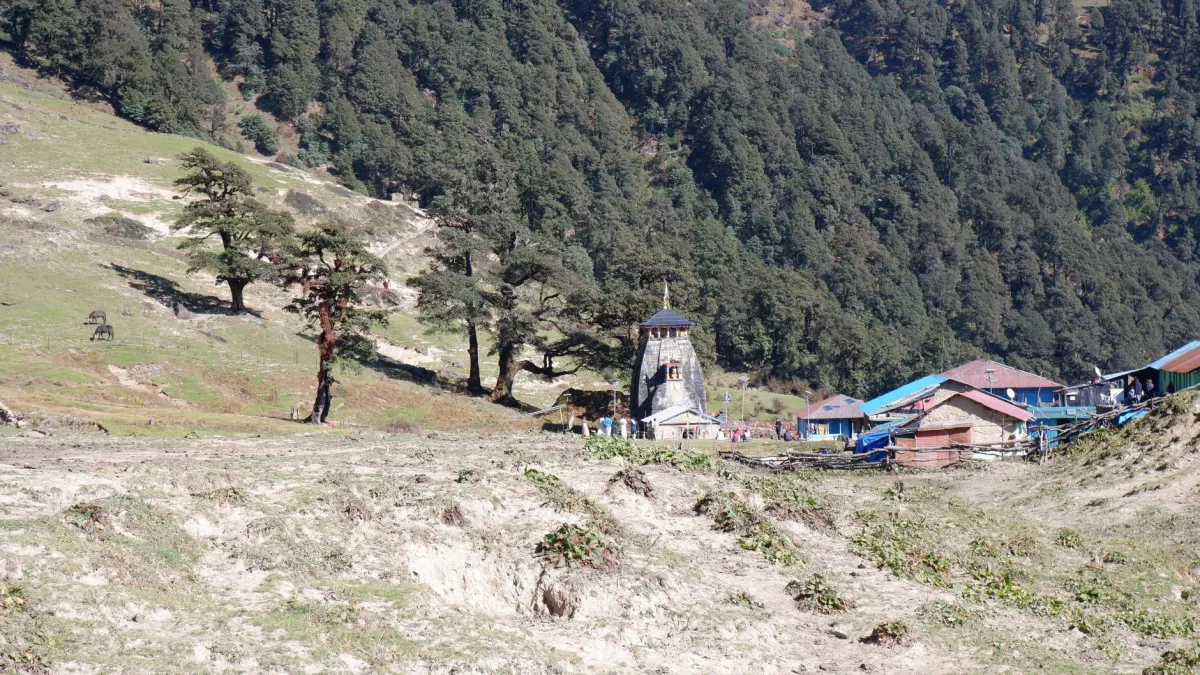
From Chopta, a 3.5 km paved trail climbs to Tungnath Temple at 3,680 m — the highest of the Panch Kedar temples and, by most accounts, the highest Shiva temple in the world. The trek gains about 1,000 m and takes 2.5–3.5 hours at a comfortable pace. It's steep in sections but doesn't require any technical skill, making it accessible to reasonably fit beginners.
Onward to Chandrashila Summit
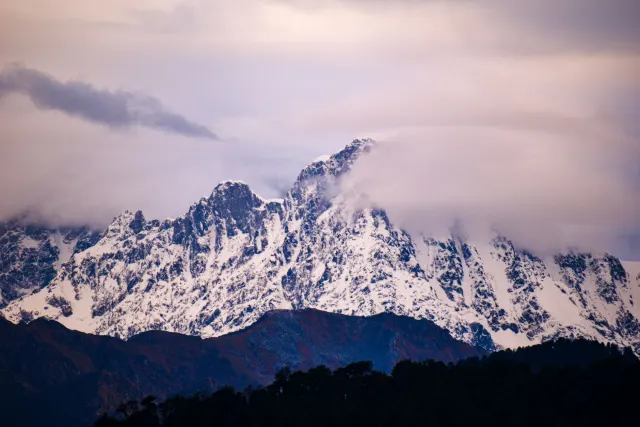
From Tungnath, a further 1.5 km climb (about 1–1.5 hours) leads to Chandrashila summit at just over 4,000 m. This is where the trek earns its reputation — on a clear day you can see Nanda Devi, Trisul, Chaukhamba, Kedarnath, and Bandarpunch peaks in a single sweep. Sunrise from Chandrashila is the classic reason people do this trek as an early-morning push.
Best Time for the Trek
- April–June: Rhododendron blooms, moderate temperatures, and clear morning skies before afternoon clouds build up.
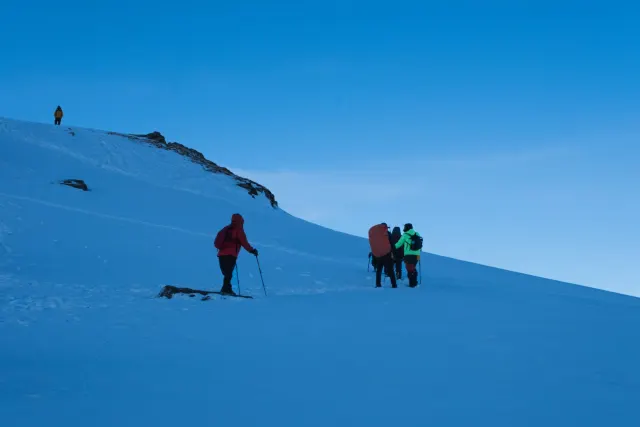
- September–December: The clearest mountain views of the year, with a snow trek possible from late November onward. Check our Uttarakhand snowfall places guide for winter trekking specifics.
- Avoid July–August: Monsoon makes the trail slippery and views are mostly clouded out.
Difficulty & Fitness Level
Tungnath alone is rated easy-to-moderate — suitable for most fit beginners with no prior trekking experience. Extending to Chandrashila adds meaningful altitude and a steeper final push, best attempted by those with reasonable fitness. Cold and thin air at the summit are the main challenges, not technical difficulty. Full trail stats and difficulty notes are on the Chopta Tungnath Trek page.
Where to Stay
Chopta has a growing cluster of budget guesthouses, trekker huts, and a few mid-range resorts, plus GMVN accommodation. Most trekkers overnight in Chopta before an early-morning start for sunrise at Chandrashila. Book ahead on weekends and during peak trekking months.
What to Pack
- Layered clothing — temperatures swing sharply between the trailhead and the summit.
- Good grip trekking shoes; the trail can be muddy or icy depending on season.
- A headlamp/torch if attempting the sunrise push in the dark.
- Water and light snacks — there are limited shops beyond Tungnath.
FAQs
Can beginners do the Chopta Tungnath trek?
Yes, Tungnath itself is beginner-friendly. Chandrashila requires a bit more stamina but is still achievable for most reasonably fit walkers.
Is Chopta open in winter?
Yes, and it becomes a popular snow-trekking destination from December through February, though the trail requires more caution due to ice.
How does Chopta connect to Kedarnath?
They're both in the same region and often combined in one trip — Chopta is roughly a 3-hour drive from Guptkashi, the gateway town for the Kedarnath Temple trek.
Explore the Chopta destination page for stay options, or check the best time to visit Uttarakhand to fit this trek into a wider trip. Build your itinerary with the AI Trip Planner.